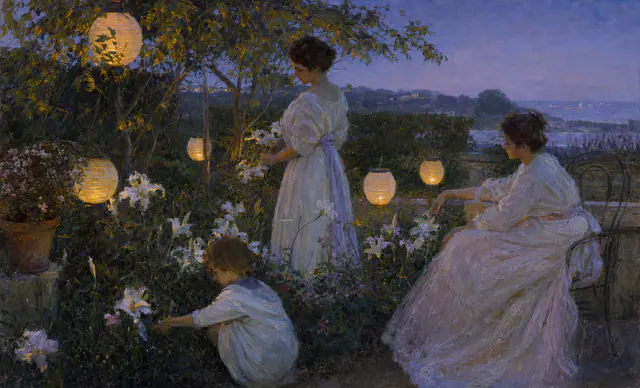
Edges create attention
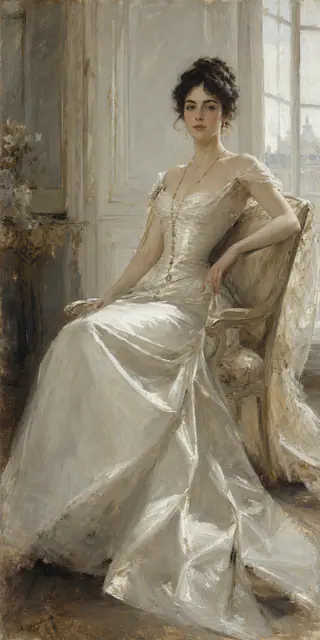
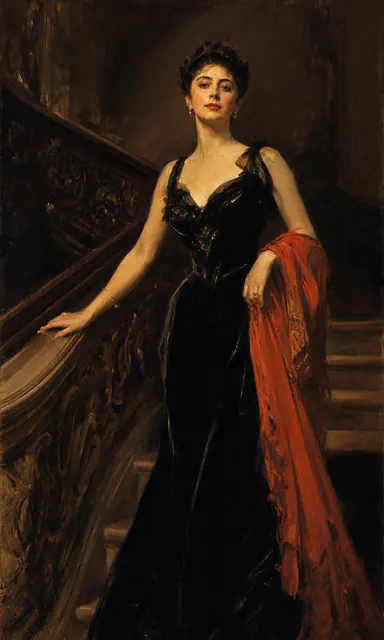
Sargent could sharpen the meeting of eye and cheek while letting a sleeve dissolve into its background. The contrast directs attention before the viewer consciously reads the portrait.
Artist guide · 1856–1925
Portraiture as performance, observation, and living surface.
Why Sargent matters
Born in Florence to American parents in 1856, John Singer Sargent became one of the most sought-after portrait painters of his era. His career moved through cosmopolitan Europe and the United States, spanning society portraits, landscapes, murals, and watercolours.
Famous works such as Madame X, Carnation, Lily, Lily, Rose, and El Jaleo show very different sides of his practice. What connects them is an ability to organize complex observation into marks that feel immediate.
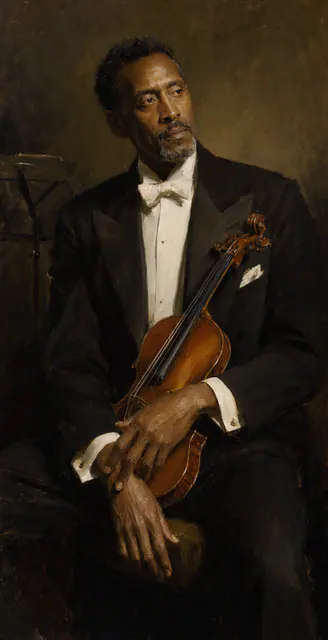
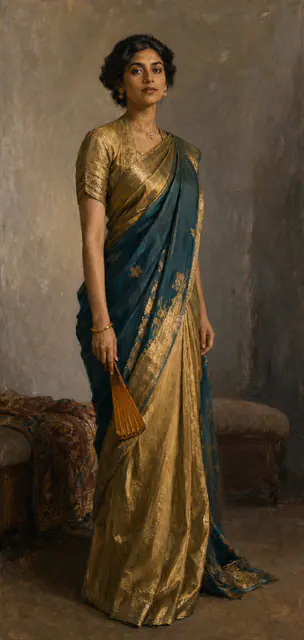
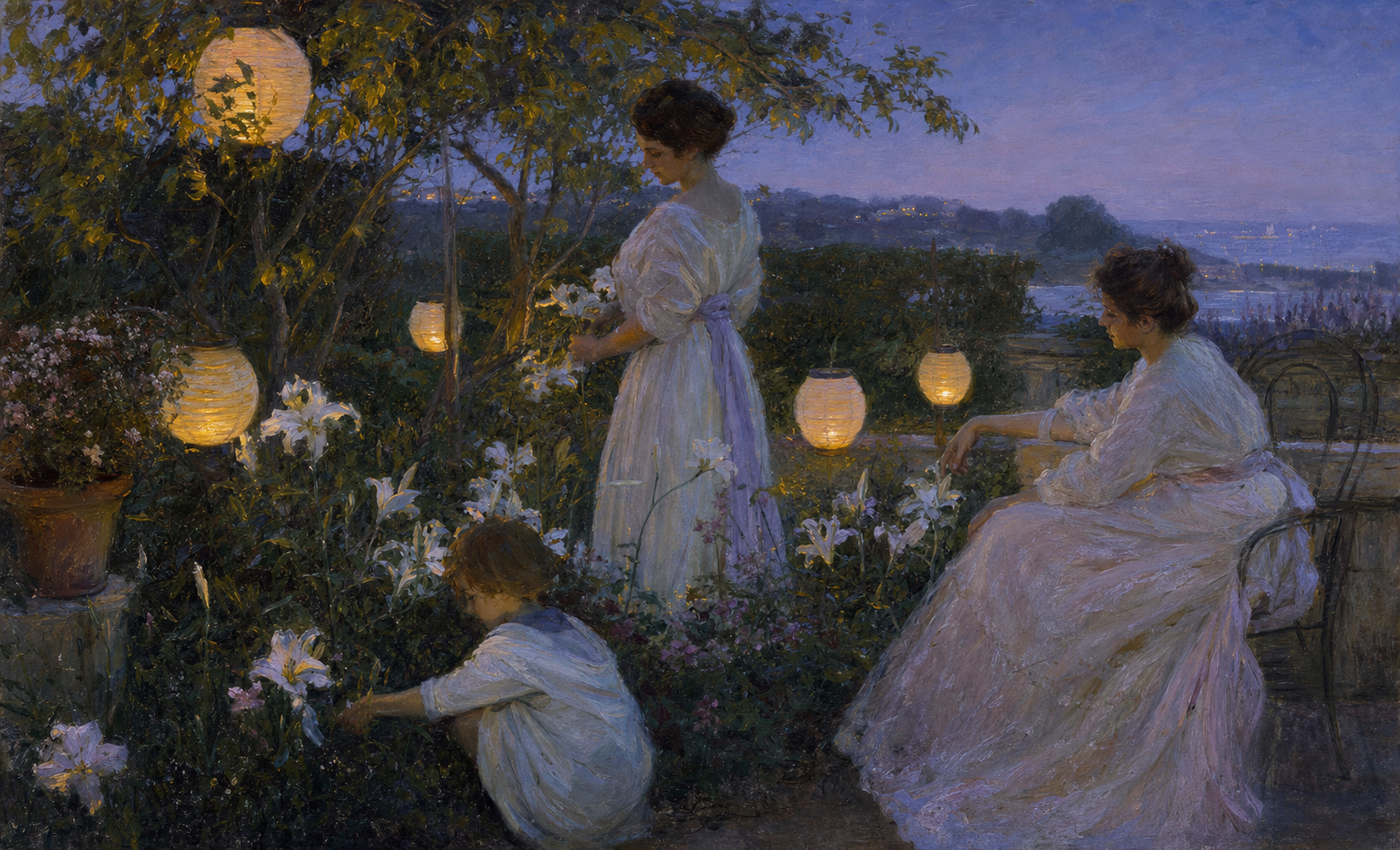
GenMoMA does not present the studies below as historical Sargent paintings. They are newly created and clearly attributed works designed to help visitors look closely at the visual decisions associated with his legacy.
How to look
Sargent could sharpen the meeting of eye and cheek while letting a sleeve dissolve into its background. The contrast directs attention before the viewer consciously reads the portrait.
A passage that looks spontaneous is usually built on close observation. Loaded strokes describe form, material, and direction at the same time, giving the surface its celebrated fluency.
The grand portrait is never only costume and status. The angle of a shoulder, pressure of a hand, or turn away from the viewer can hold the tension between public role and private presence.
Read before you visit

Technique
White fabric is never only white. Sargent built it from temperature, value, reflected colour, and a few decisive accents.

Masterpiece
The painting that disrupted Sargent's Paris career later became the image he wanted an American museum to preserve.

Technique
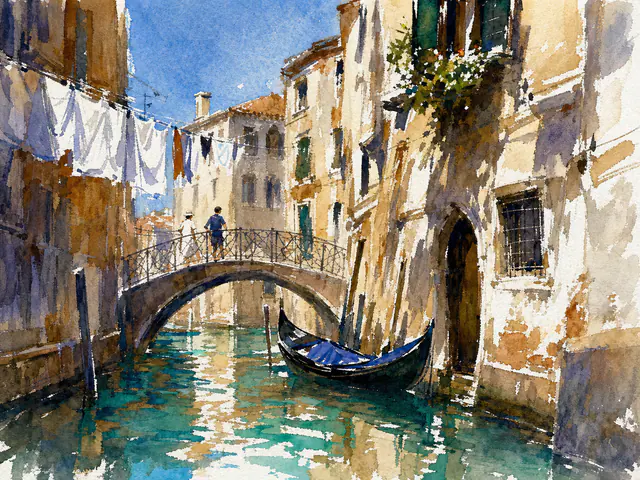
Transparent wash, untouched paper, graphite, opaque accents, and radical selection made Sargent's travel watercolours feel immediate.
The Sargent Atelier
Timed exhibition
Fourteen original studies after Sargent's visual language, with wall texts and audio guides.